
Fire protection is often discussed as single products — a sprinkler system, an alarm panel, a fire door. In practice, a building is protected by layers that each do a different job. Weakness in one layer puts more pressure on all the others.
Detection: knowing early
Detection systems sense smoke, heat or flame and identify a fire condition. Detector type and placement are chosen for the hazard: smoke detection gives earlier warning in offices and control rooms, while heat detection suits dusty or steamy environments where smoke detectors would false-alarm.
Alarm: telling people immediately
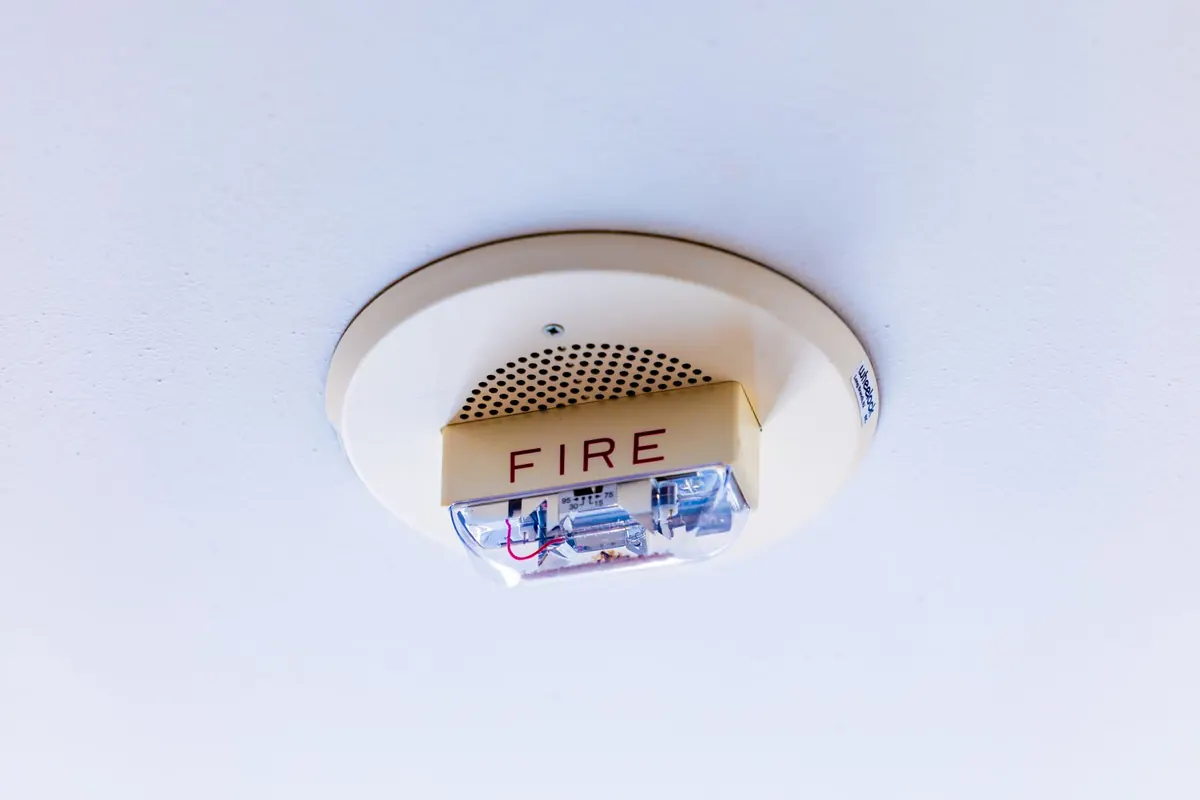
The alarm system turns a detection signal into action — sounders and visual alarms for occupants, notifications for responders, and signals to other systems such as ventilation shutdown or door release. An integrated alarm system delivers these alerts in real time.
Suppression: controlling the fire
Automatic sprinkler systems discharge water where heat activates individual sprinkler heads, controlling or suppressing fire close to its origin. Design depends on the hazard classification, storage arrangement and water supply.
Passive protection: containing spread
- Fire door systems compartmentalise a building so fire and smoke spread more slowly.
- Fireproofing protects structural steel and critical equipment from heat for a defined period.
Why coordination matters
The layers interact with electrical and control systems: alarm panels need reliable power, fire signals may trip process equipment, and electrical rooms often need their own protection approach. Designing these interfaces together avoids gaps that only show up during an emergency.
Fire protection must comply with the codes and authority requirements applicable to the building and location.